5 Lessons From a Solo God Rock Base on a 1000-Player Rust Server
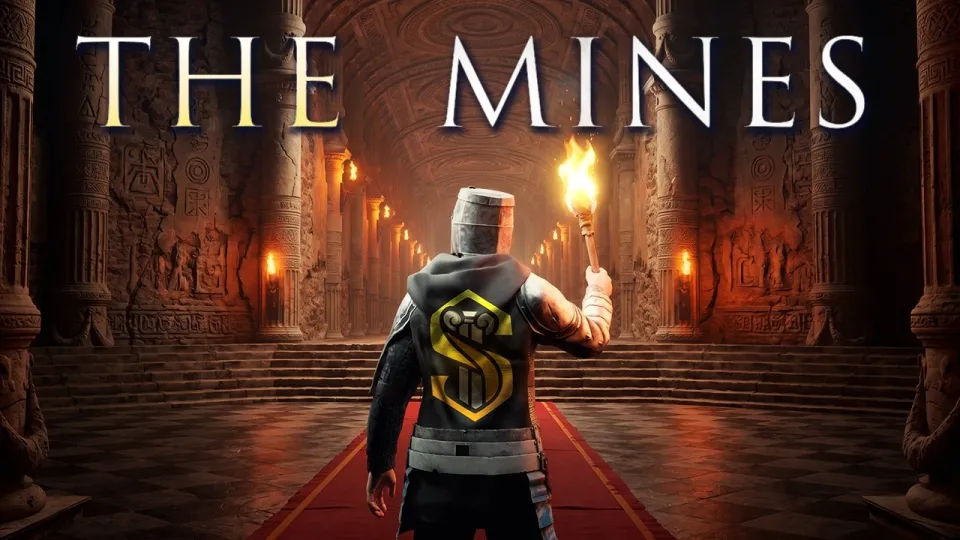
Video: I Survived in an ANCIENT FORTIFIED god rock base in Rust..
You can order the same kind of articles for your own video to boost it on YouTube and Google. Just message the Telegram bot @sat_sit_bot. Articles with your video embedded are written and posted by the bot itself — on popular topical sites (no ads). Free trial — 50 articles.
· based on the channel Solutize
Key takeaways
- Solutize built a solo god rock base on a Rust server with around 1000 players on it.
- The build is framed as one of the most ambitious solo god rock bases the creator has attempted.
- God rocks are natural rock formations that can be built into, giving free walls that cost no upkeep.
- Solo survival depends on hiding loot, splitting storage, and avoiding attention rather than winning open fights.
- The run was recorded live on Twitch and edited into a weekly YouTube video.
A god rock base in Rust is a build that uses a natural, unbreakable rock formation as part of its walls, so the structure borrows free protection that raiders cannot blow through. In Solutize's solo wipe on a server with around 1000 players, the god rock approach is the core survival strategy: fewer exposed walls, a smaller footprint, and a base that is hard to find and harder to assess from the outside. You can watch the sessions behind that build live at Solutize's Twitch channel, where the full wipe was recorded before editing.
Why a god rock base matters more for solo players
A solo player cannot win a straight resource war against groups, so the base has to do the work that teammates would otherwise do. A god rock gives you one or more sides of your core that no amount of sulfur can break, which means every explosive a raider brings has to be spent on the sides you actually built. That changes the math of a raid: the attacker needs to find the soft side, and finding it costs time and exposure on a populated server.
The trade-off is flexibility. Rock formations constrain where doors, loot rooms, and shooting floors can go, so the layout is decided by the terrain rather than by an ideal blueprint. On a high-population server that constraint is usually worth it, because the alternative is a square base in the open that every passing duo can probe.
The five things this wipe demonstrates
- Pick the rock before the loot. Choosing a formation with a narrow entrance and thick natural walls limits how many buildable faces a raider can attack. A wide-open rock with three exposed sides gives away most of the advantage.
- Honeycomb only what can be reached. With limited stone and wood as a solo, every layer should sit on a face that an explosive can actually touch. Filling unreachable gaps wastes upkeep that a solo player pays alone.
- Split storage across separate rooms. Loot spread over several small rooms means a partial raid does not end the wipe. A single loot room turns one successful breach into a full reset.
- Keep the footprint quiet. On a server with around 1000 players, attention is the real resource. A modest exterior, few lights, and no rooftop signal reduce the chance that a passing group flags the base for a later raid.
- Use the rock for cover on the way in and out. The same formation that protects the core also hides movement, which matters when every trip to a monument or an airdrop can end in a fight you cannot win.
How to choose a god rock on a crowded server
Start from the map, not from the first rock you see. Look for formations near a monument you will actually farm, but far enough from the road that traffic does not pass the door. Check the approach on foot: if you can walk to the entrance from three directions without cover, raiders can too.
Then test the geometry. Place a few foundations and see how many faces of the core end up exposed. A good rock leaves one or two buildable sides; a great one leaves a single narrow face. Also confirm the rock is part of the terrain and not a removable prop, and check that the ground around it allows foundations without huge gaps that force awkward, expensive bridging.
Finally, consider the neighborhood. A rock next to a large clan base will be scouted constantly, while a rock in a quieter corner of the map survives longer simply because fewer players know it exists.
Solo survival habits that carry the wipe
On a 1000-player server, the biggest threat to a solo player is usually not a raid but a routine trip that turns into a fight. Keep the kit cheap for farming runs, carry only what the trip needs, and bank loot as soon as you return rather than stacking it in your inventory while you craft.
Recycling and crafting benches should sit inside the protected core, not in an outer room that a single door breach exposes. Keep a small stash of backup gear in a second location so a lost fight does not mean starting from nothing. And treat every explosion you hear nearby as information: it tells you who is active, what they are using, and roughly where they are, which is more than most solos ever learn about their neighbors.
Questions solo players ask about rock bases
Many viewers of solo Rust content wonder whether a rock base is actually safer than a well-hidden bunker base. The honest answer is that they solve different problems: a rock base resists explosives, while a hidden base resists being found at all. On a high-population server, combining the two ideas, a rock core with a small, unremarkable exterior, tends to outperform either one alone.
Another common doubt is whether a solo player can afford the upkeep. God rock builds are often cheaper than they look, because natural walls replace honeycomb you would otherwise pay for every day. The cost moves from stone to time: scouting the right formation and planning the layout takes longer than stamping down a standard design.
Links from the video
- Live streams and full wipe recordings: https://www.twitch.tv/solutized
- Community Discord: https://discord.gg/57vX6Yvga6
- Second Discord invite listed in the video: https://discord.gg/F9kEQWZjnd
What this solo wipe shows about Rust in 2026
The run is a useful case study because it treats base design as the main solo skill rather than an afterthought. A god rock does not make a player unraidable, but it forces raiders to spend more to get less, and on a server with around 1000 players that exchange rate is what keeps a solo wipe alive. The build also shows how much of solo Rust is information management: quiet exteriors, split loot, and cheap kits all reduce the number of players who know where you live and what you have.
Solutize's breakdown is worth watching for the decision-making around the rock as much as for the fights, since the placement and layout choices are the parts a solo player can copy directly. For the unedited version of that process, follow the live sessions at https://www.twitch.tv/solutized and compare your own build choices against what happens on stream.
Questions & answers
Is a god rock base actually better than a normal base in Rust?
It depends on the server. A god rock replaces some of your walls with terrain that cannot be destroyed, so raiders must spend explosives on the sides you built. On a crowded server that advantage is large, but a rock base is easier to spot than a hidden bunker, so many solo players combine a rock core with a modest, low-profile exterior.
Can a solo player afford the upkeep of a rock base?
Usually yes, because natural rock walls replace honeycomb layers you would otherwise pay for. The real cost is time: scouting a formation with one or two exposed faces and planning a layout around it takes longer than placing a standard square base. Keep honeycomb only on faces an explosive can reach.
How do you keep loot safe as a solo on a 1000-player server?
Split storage across several small rooms inside the protected core so a partial raid does not end the wipe. Keep crafting benches and a backup kit in a second location, and bank loot immediately after farming runs instead of carrying it while you craft.
Why do so many solo Rust players stream their wipes live?
Live streaming captures the full decision process, including failed raids, scouting trips, and rebuilds that an edited video skips. For viewers, that raw footage is often more useful than a highlight reel, because it shows how a base and a plan hold up over an entire wipe rather than in a single fight.
Source: I Survived in an ANCIENT FORTIFIED god rock base in Rust.. · Markdown version